Lately, it feels like everyone is traveling to Japan. Honeymoons, long-awaited dream trips, or simply checking another country off the list—surely you have a friend who’s been recently, is planning to go, or maybe you’re the one thinking about it. Social media also plays a huge role, constantly flooding us with images and videos of Japan.
But what actually makes Japan so special?
Is it truly a dream destination, or are people just going to take the typical “Instagram photo,” post it online, and move on?
Japan is definitely not what I thought it would be before going.
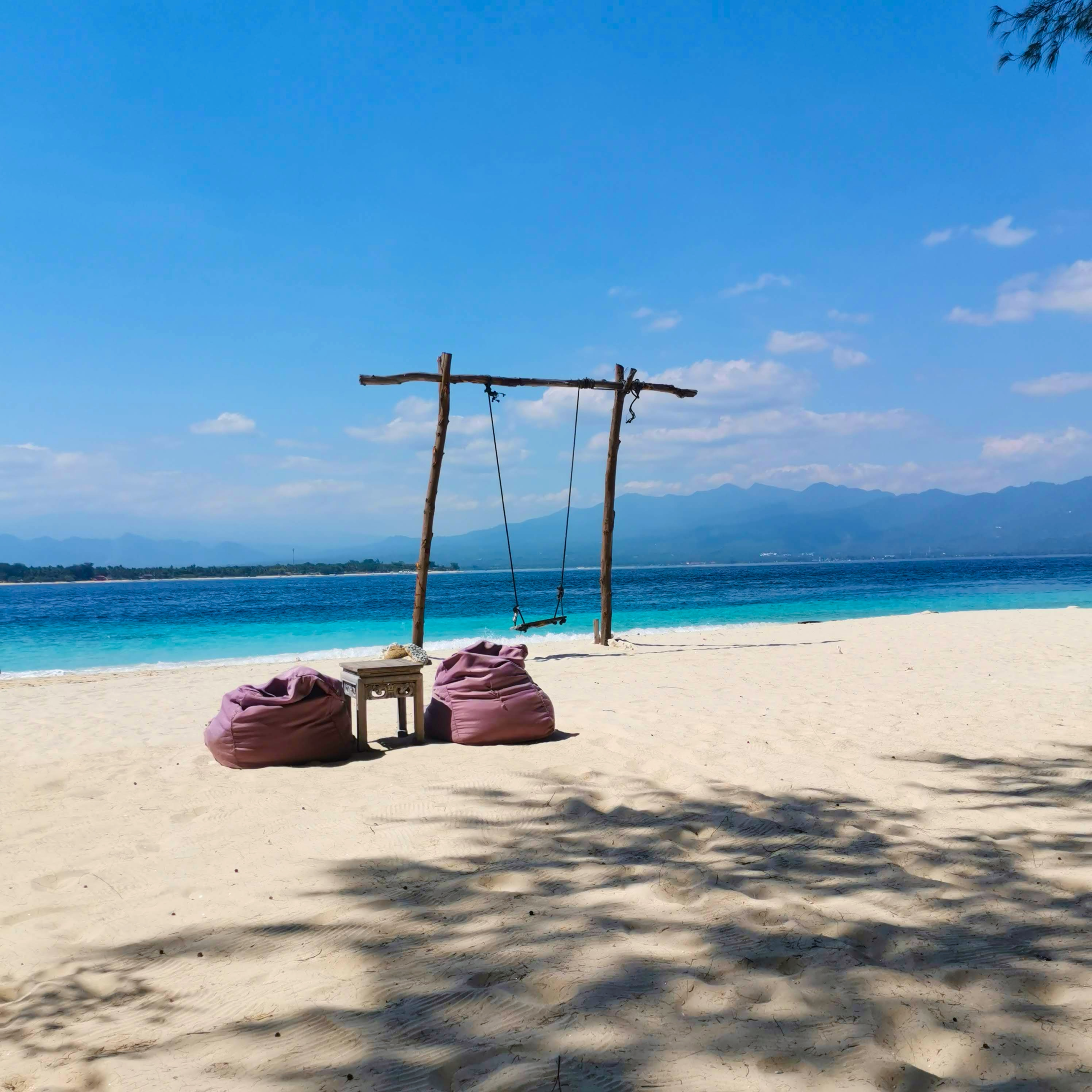
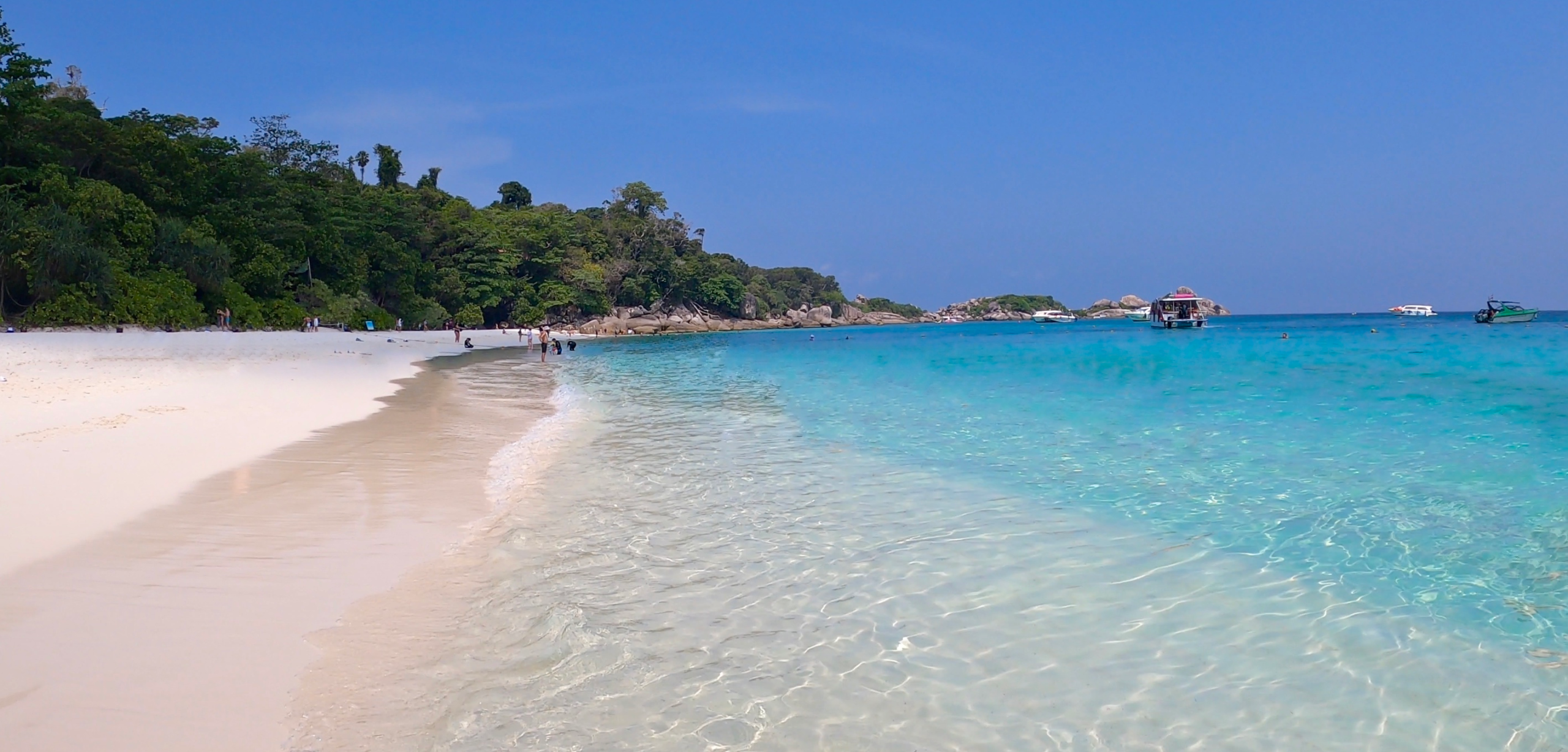
When I planned my trip to Japan, I was coming from three other Asian countries where I had enjoyed incredible food, stunning beaches, and unforgettable sunsets. However, the moment I landed in Japan, everything changed.
1. More Than Just Anime
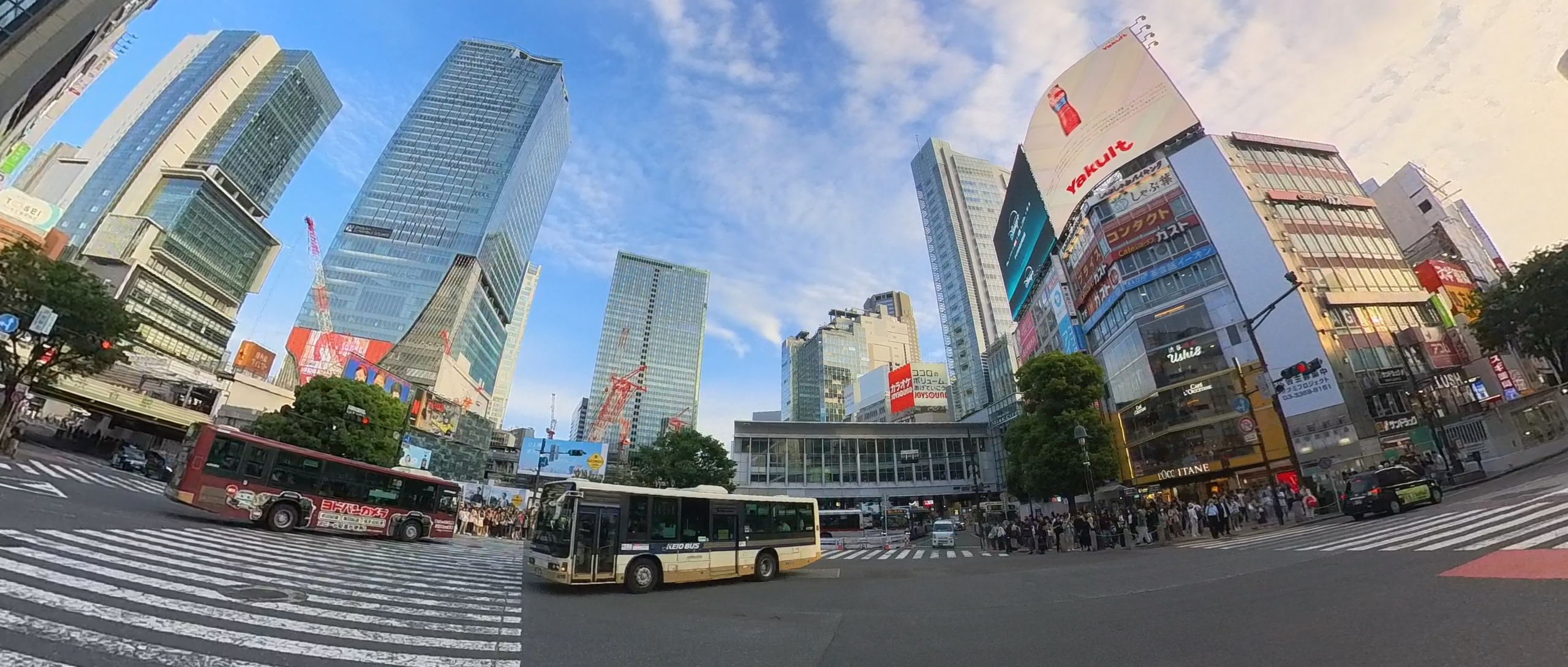
Yes, Japan is world-famous for its anime culture. Before arriving, I imagined seeing people in cosplay everywhere. The reality was very different—I only saw that scene in very specific streets, mainly in some parts of Shibuya.
Beyond anime, Japan has so much more to offer. Anime is just a small piece of a much bigger cultural puzzle. Across the country, you’ll find countless gaming stores and arcade centers, far beyond the simple gacha machines everyone knows. Every city seems to have its own spaces dedicated to fun and entertainment, designed for young people, families, and even kids.
On top of that, karaoke is everywhere. Whether you’re in a big city or a smaller town, there are endless karaoke spots where locals and travelers come together to unwind. All of this shows that Japanese pop culture goes far beyond anime—it’s about play, social connection, and creating spaces where people of all ages can enjoy themselves.

2. It’s Not All Big Cities and Neon Lights
When you move away from the crowded cities, you discover a country filled with breathtaking nature. Without a doubt, one of the best parts of my trip was visiting Mount Fuji and the small towns surrounding it.
These places feel like they’re frozen in time. Walking through quiet streets, surrounded by mountains and lakes, makes you feel disconnected from the rush of modern life. What stood out the most was the peace and calm—such a powerful contrast compared to cities like Tokyo or Osaka.
In these smaller towns, life moves at a different pace. People take their time, traditions are still very present, and the connection with nature feels genuine. It was in these moments that I truly understood another side of Japan, one that often goes unnoticed by travelers who only stay in the big cities.


3. More Than Sushi
Japan is a constant explosion of flavors. There’s always something new to try on every corner. While there are many restaurants clearly designed for tourists, I encourage you to wander off the main streets and try local restaurants or street food.
This is where some of the best surprises happen. Small family-run places, tiny ramen shops, or food stalls with only a few options often end up being the most memorable. You’ll feel like a local, relying on gestures, pictures, or intuition, and the food is on a completely different level.
The experience is absolutely worth it—not just for the taste, but for the feeling of being fully immersed in everyday Japanese life.


4. Not Everything Is Cheap
I arrived expecting Japan to be relatively inexpensive, probably influenced by my experiences in other Asian countries. However, in major cities—especially with the massive influx of tourists in recent years—restaurant prices are often comparable to those in Europe or the United States.
Popular neighborhoods and tourist-heavy areas tend to be the most expensive, and it’s easy to notice how demand has influenced prices. That said, Japan still offers great value if you know where to look. Convenience stores serve surprisingly good meals, public transportation is efficient and reliable, and many local spots offer excellent quality for reasonable prices.

5. Tattoos and Japanese Culture
In Japanese culture, tattoos are traditionally associated with negative stereotypes, which is why many onsens (hot springs) don’t allow tattooed visitors. That said, with the rise in foreign tourism, many onsens have adapted and now welcome people with tattoos.

This can still be a surprising cultural difference for many travelers, especially those who see tattoos as a normal form of self-expression. Some onsens ask guests to cover small tattoos, while others offer private baths as an alternative.
Today, it’s not difficult to experience an onsen even if you’re tattooed—you just need to do a bit of research and approach the experience with respect for local customs.
Japan is, without a doubt, an incredible country with something to offer in every season and in every corner. It’s a place that goes far beyond trends and viral posts.
If your reason for wanting to go is simply because it’s popular right now, I invite you to keep reading my posts about Japan. There’s so much more to discover beyond social media poses and travel checklists—and that’s where the real experience truly begins.

Enjoyed this post?
Join the newsletter and get the next posts straight to your inbox.
Subscribe to stay updated.